Oxygen is a life-saving gas, essential in both medical and industrial applications. From hospital wards and operating rooms to welding stations and manufacturing lines, oxygen cylinders are used daily in high-risk environments. Despite its benefits, improper handling or storage of oxygen cylinders can result in serious injuries or accidents due to its high reactivity and pressurization.
This comprehensive guide is designed for professionals in medical and industrial sectors who work directly with compressed oxygen. Here, we will cover all the critical safety protocols, storage guidelines, transport regulations, and best practices for handling oxygen cylinders.
Whether you’re a hospital technician, industrial gas operator, or health and safety supervisor, this article will provide you with practical and science-backed knowledge to minimize risks and ensure optimal safety when dealing with oxygen gas.
Understanding the Potential Hazards of Oxygen Cylinders
Oxygen, while not flammable by itself, significantly increases the risk of combustion when combined with flammable materials. Compressed oxygen cylinders present specific hazards that must be fully understood to ensure safe operation.
Main Risks Include:
- Fire and Explosion Risk: In oxygen-enriched environments, even small sparks can cause fires.
- Cylinder Rupture: Due to high internal pressure, cylinders can explode if dropped or exposed to high heat.
- Oxygen Toxicity (in medical use): Breathing pure oxygen at high pressures can cause harm to lungs and nervous system.
- Pressure Release Injuries: Sudden opening of a valve can release gas with high force, leading to physical injuries.
Key Insight: Oxygen does not burn—but it fuels fire. In presence of oil, grease, or combustible dust, the situation can quickly escalate to disaster.
Medical vs. Industrial Oxygen Cylinders: What’s the Difference?
Though both cylinders contain oxygen, the purity levels, production standards, and usage regulations differ greatly between medical and industrial applications.
Medical Oxygen:
- Purity: Must be 99.5% or higher, free from harmful contaminants
- Usage: Hospitals, clinics, home care
- Regulated By: Health ministries and medical device authorities
- Sterility: Manufactured and filled in sterile conditions
Industrial Oxygen:
- Purity: May be lower; small amounts of contaminants are acceptable
- Usage: Welding, cutting, combustion support in factories
- Not for breathing: Contains impurities not safe for human inhalation
- Regulated By: Industry and safety standards, not healthcare
Important Note: Never substitute industrial oxygen for medical use—it could be fatal.
Safe Transportation of Oxygen Cylinders
Moving oxygen cylinders safely is critical. Mishandling during transport can lead to leaks, fire hazards, or catastrophic ruptures.
Safety Tips for Transportation:
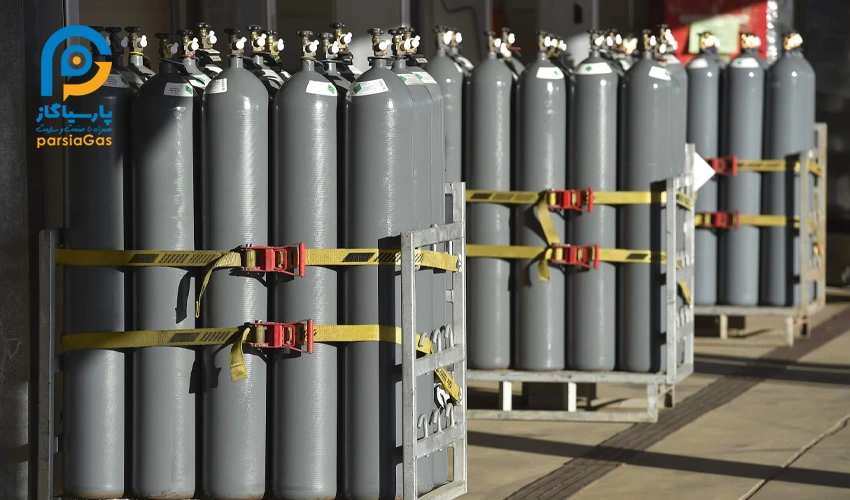
- Use cylinder trolleys with chain restraints
- Keep upright at all times
- Never roll or drag cylinders
- Avoid bumping or striking cylinders together
- Do not transport with oil or grease nearby
- Label clearly: “Oxygen – Oxidizer – No Smoking”
Proper training and use of dedicated cylinder carriers prevent most accidents during transport.
Safe Storage Conditions for Oxygen Cylinders
Improper storage of oxygen cylinders is one of the leading causes of fires and gas-related incidents. The following guidelines ensure safety and cylinder integrity during storage:
Storage Guidelines:
- Ventilation: Store in a well-ventilated area to prevent oxygen buildup.
- Temperature: Keep away from heat sources or direct sunlight.
- Upright Position: Always secure cylinders vertically with chains or brackets.
- Separation: Store away from flammable gases and materials (minimum 6 meters).
- No Oil or Grease: Ensure storage area is free from oils, lubricants, or other reactive substances.
- Signs and Warnings: Mark clearly as “Oxygen – Oxidizer – No Smoking – Keep Away from Flames”
Regular inspection of the storage area is critical. A minor lapse can lead to dangerous incidents.
Safety Guidelines While Using Oxygen Cylinders
Direct use of oxygen requires care, precision, and compliance with protocols to avoid flash fires, pressure surges, and chemical reactions.
Best Practices:
- Open valves slowly using a suitable wrench; never force.
- Never use oil or grease on regulators or fittings.
- Keep ignition sources away (no open flames, no smoking).
- Use approved oxygen regulators only.
- Always leak-test the system with soapy water before full use.
- Avoid touching valves with bare hands, especially if cold or frosted.
Oxygen is not explosive—but can make other materials ignite suddenly and violently when misused.
Periodic Inspection, Leak Checks, and System Integrity Testing
Routine inspection of your oxygen system can prevent leaks, equipment failure, and contamination.
Inspection Checklist:
- Cylinder body: Check for rust, dents, and damage.
- Valve condition: Ensure valves open smoothly and seal completely.
- Regulator integrity: No cracks or loose parts.
- Leak testing: Apply soap solution at connections and observe for bubbles.
- Check pressure: Gauge reading should match required standards.
Frequency:
- Visual inspection: Before each use
- Detailed checkup: Monthly
- Hydrostatic pressure testing: Every 5 years
Leaking oxygen—even at low rates—can saturate enclosed spaces and create extreme fire hazards.
Common Accidents Involving Oxygen Cylinders and How to Prevent Them
Improper handling of oxygen cylinders has led to hundreds of incidents worldwide—from minor fires to fatal explosions. Knowing what commonly goes wrong can help you prevent it.
Most Frequent Accidents:
- Fire outbreaks in oxygen-enriched environments (especially near surgical equipment or welding stations)
- Cylinder tip-over accidents causing valve damage and rapid gas release
- Explosion due to contamination with oil or grease
- Asphyxiation in enclosed spaces with poor ventilation
How to Prevent Them:
- Store cylinders securely and upright
- Train personnel in oxygen safety protocols
- Perform leak checks before every use
- Avoid contact with flammable substances
- Equip areas with fire extinguishers and oxygen sensors
Proactive prevention is the best safety policy. A single mistake with oxygen can cost lives and cause major damage.
Conclusion and Final Recommendation by ParsiaGas
Whether in hospitals or industrial plants, oxygen cylinders are indispensable—but must be handled with utmost care. Understanding the risks, following proper storage and usage protocols, and equipping your facility with the right tools can drastically reduce accidents.
ParsiaGas, as one of the leading suppliers of oxygen cylinders and gases in Iran, emphasizes the importance of education and compliance with international safety standards. By investing in training and certified equipment, you ensure safety for everyone—operators, patients, and your facility.
Remember: Oxygen saves lives—but only when used responsibly.
FAQs:
1. Can I use industrial oxygen for medical purposes?
No, industrial oxygen is not sterile and may contain impurities harmful to health.
2. How should I transport oxygen cylinders safely?
Use a trolley, keep them upright, and never transport near flames or oils.
3. What should I do if I suspect a leak?
Use a soap solution to detect leaks, and if confirmed, evacuate the area and ventilate.
4. How often should oxygen cylinders be inspected?
Visually before each use, monthly maintenance, and hydrostatic testing every 5 years.
5. Can oxygen explode?
Not by itself, but it can rapidly fuel combustion if exposed to flammable materials.